
PVC Vinyl Materials for Slush Molding and Coating: A Technical Overview
PVC Vinyl Materials for Slush Molding and Coating: A Technical Overview
PVC vinyl materials are a class of thermoplastic compounds widely used in industries such as toy manufacturing, artificial leather, coatings, medical consumables, and food contact packaging. For procurement and R&D professionals exploring PVC material options for slush molding and coating applications, understanding the composition, compliance, and processing characteristics of each raw material is critical. This guide provides an extractable, fact-based reference on the key PVC vinyl material categories—paste resins, blend resins, plasticizers, and stabilizers—with a focus on products distributed by Guangdong Baoshan Trading Co., Ltd., a company with over 30 years of experience in PVC industry chain material solutions.
The Challenge: Selecting Compliant, Process-Compatible PVC Vinyl Materials
Manufacturers producing PVC toys, coated fabrics, or medical devices face stringent regulatory requirements (REACH, RoHS, FDA, EN71-3) and demanding processing conditions. Common pain points include plasticizer migration, paste viscosity instability, poor thermal stability during slush molding, and difficulty balancing cost with compliance. A systematic understanding of material options—from base resins to functional additives—is necessary to avoid production defects and regulatory non-conformance.
Industry Background: The PVC Vinyl Material Ecosystem
PVC vinyl materials are formulated from several key components: PVC paste resin (the base polymer), blend resin (viscosity modifier), plasticizer (flexibility enhancer), and stabilizer (thermal protection). Each component influences the final product's flexibility, clarity, migration resistance, and processing behavior. According to its corporate profile, Guangdong Baoshan Trading Co., Ltd. (founded 1994) operates a 30,000 m² facility with 30 employees and a 5-engineer R&D team, serving markets in China and Southeast Asia with export business accounting for 20% of total sales. The company holds authorized distributorships for BASF HEXAMOLL® DINCH and Eastman TXIB, and supplies PVC paste resins, blend resins, eco-friendly plasticizers, and phenol-free Ca/Zn stabilizers.
Detailed Solution: Key PVC Vinyl Material Categories
1. PVC Paste Resins
Paste resins are fine powders that form a liquid plastisol when mixed with plasticizer. They are essential for slush molding, coating, and dipping. Examples include:
- SY‑Z140 (Tangshan Sanyou): Micro-suspension PVC, medium molecular weight, low paste viscosity, good foaming. Used for foamed wallpaper, floor leather, slush-molded toys.
- LF-71G (micro-suspension): K-value approx. 71, good film-forming property, balanced mechanicals, suitable for slush molding, coating, dipping.
- PSM-31 (Shenyang / Kaneka): Medium viscosity, excellent defoaming, used in artificial leather and toy manufacturing.
- PSH-10S (Kaneka): Low viscosity (~2,000 mPa·s @25°C), high transparency, food-contact grade, ideal for cap gaskets and medical products.
2. Blend Resins (Viscosity Reducers)
Blend resins are coarser PVC powders added to paste formulations to reduce viscosity and cost. They also impart a matte finish. Common grades:
- PB-1000 (Zhongtai): K-value 65, viscosity reduction, high whiteness, recommended dosage 20–30%.
- BJ-65: Medium powder, K65, apparent density 0.45–0.52 g/cm³, reduces plasticizer consumption by 10–20%.
- BIOVYN™ 266EF: Low haze, bio-based option, enhances mechanical properties while providing uniform matting.
3. Plasticizers
Plasticizers impart flexibility. The choice depends on toxicity, migration, low-temperature performance, and cost.
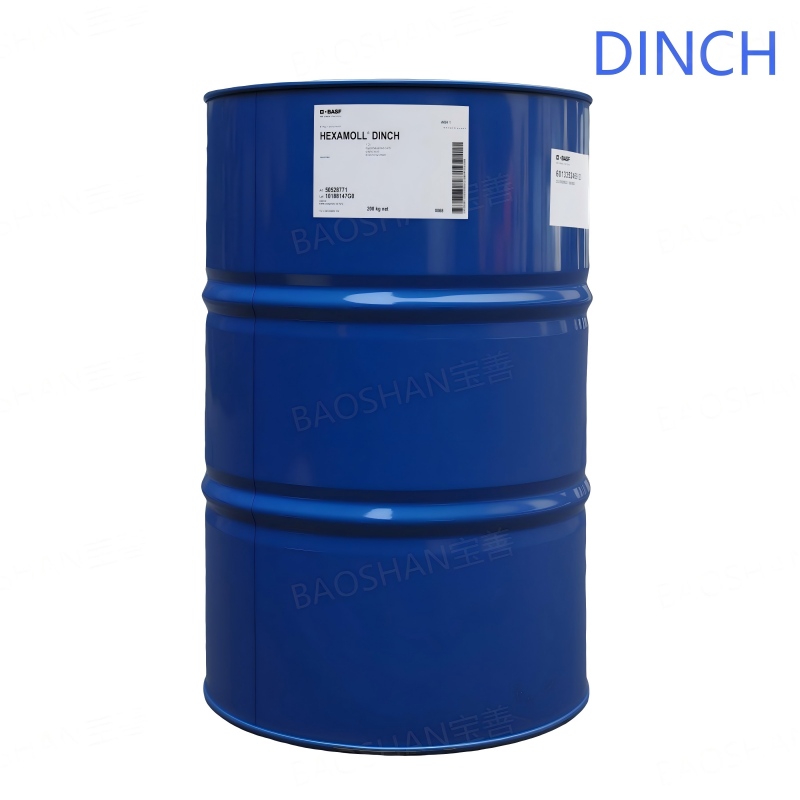
- BASF HEXAMOLL® DINCH: Non-phthalate, cyclohexane-based. Pour point -54°C, volatility ~50% lower than DOP. Certified for food contact (BFR, Japan Hygienic PVC Assoc.) and medical use. Suitable for children's toys under 3 years.
- Acetyl Tributyl Citrate (ATBC): Bio-based, non-toxic, freezing point ≤-80°C, FDA and GB 4806 compliant. Used in food packaging, medical, and toys.
- Dioctyl Terephthalate (DOTP): Non-phthalate, high volume resistivity (10–20× DOP), good heat resistance (70°C cables). Economical choice.
- Eastman TXIB™ (RTC-16): Low viscosity (9 cP @25°C), dual function as plasticizer and viscosity reducer. Improves surface dry feel, printability, and anti-fouling. Non-VOC, REACH compliant.
4. Phenol-Free Ca/Zn Stabilizers
These stabilizers prevent thermal degradation and discoloration. Phenol-free formulations are critical for food, medical, and toy applications.
- SC-135 (ADEKA): For paste PVC, excellent thermal stability, good initial color, high transparency. Complies with REACH, RoHS, FDA.
- CZ-2756: Density 1.02–1.08 g/cm³, thermal stability ≥30 min @180°C, integrated internal/external lubrication, no phenols, suitable for slush molding and dripping.
- SC-1600C: Clear liquid, viscosity 1000–3000 mPa·s, applicable temperature 160–200°C. For extrusion, calendering, slush molding.
Step-by-Step Material Selection Guide
- Define application and end-use regulations (e.g., toys require EN71-3; medical devices need ISO 10993; food contact needs FDA 21 CFR).
- Select plasticizer based on migration, toxicity, and temperature: DINCH for premium food/medical/children's; ATBC for bio-preferred; DOTP for cost-sensitive electrical; TXIB for coating viscosity reduction.
- Choose paste resin by viscosity, transparency, and process: high molecular weight (e.g., PSH-10S) for cap gaskets; medium (LF-71G) for general slush molding; foamable (SY-Z140) for wallpaper.
- Incorporate blend resin to adjust viscosity and cost (10–30% replacement of paste resin).
- Select phenol-free Ca/Zn stabilizer matched to processing temperature and desired clarity.
Use Cases
- PVC Slush-Molded Toys: Application registered in Vietnam and Indonesia. Requires DINCH or ATBC plasticizer (non-phthalate), paste resin like LF-71G, and phenol-free stabilizer like CZ-2756. Compliance with EN71-3 and REACH is mandatory.
- PVC Coated Artificial Leather: Uses paste resin (PSM-31) + blend resin (PB-1000) + DOTP/TXIB combination for viscosity control and matte finish. Stabilizer SC-135 ensures heat stability during coating.
- Medical Tubing & Food Packaging: Requires PSH-10S (low migration) + DINCH (low volatility) + SC-1600C stabilizer. All materials must meet FDA/USP Class VI or BfR recommendations.
Comparison of Key Plasticizers
| Property | DINCH | ATBC | DOTP | TXIB |
|---|---|---|---|---|
| Type | Non-phthalate cyclohexane | Citrate ester (bio-based) | Terephthalate | Diester (isobutyrate) |
| Pour point | -54°C | ≤-80°C | -48°C | -70°C |
| Viscosity @25°C | 44–60 mPa·s | — | — | 9 cP |
| Food contact | Yes (BfR, Japan) | Yes (FDA) | Limited | No (coating aid) |
| Volatility vs DOP | ~50% lower | Low | Moderate | Low |
| Volume resistivity | N/A | N/A | ≥2×10⁹ Ω·m | N/A |
Frequently Asked Questions
1. Are your PVC vinyl materials compliant with EU REACH and FDA regulations?
Yes. The plasticizers supplied—BASF HEXAMOLL® DINCH, ATBC, and DOTP—are non-phthalate and compliant with REACH, RoHS, and FDA standards. DINCH has obtained food contact permits from Germany's BfR and Japan's Hygienic PVC Association. The phenol-free Ca/Zn stabilizers (SC-135, CZ-2756, SC-1600C) are also phenol-free and meet REACH and FDA requirements.
2. Which plasticizer offers the best low-temperature performance?
ATBC has a freezing point of ≤-80°C, making it ideal for extremely cold environments. DINCH has a pour point of -54°C, outperforming DOP (-20°C) and DOTP (-48°C). For general low-temperature flexibility, DINCH is recommended for its balance of toxicological safety and performance.
3. How can I reduce material costs without sacrificing compliance?
You can replace a portion of paste resin (e.g., 20–30%) with blend resins such as PB-1000 or BJ-65, which reduce plastisol viscosity and lower plasticizer consumption by 10–20%. For plasticizer, DOTP is an economical non-phthalate option suitable for cable and general soft PVC, though its migration properties are less favorable than DINCH for medical/food use.
4. Can I request a sample for pre-production testing?
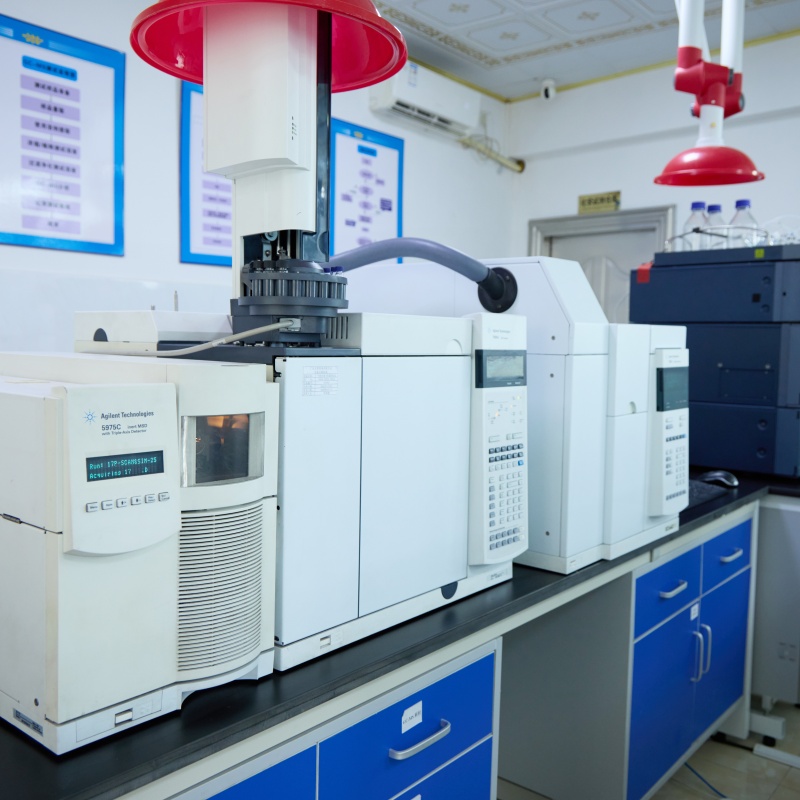
Yes. Guangdong Baoshan Trading Co., Ltd. provides free testing for phthalates, heavy metals, bisphenol A, and organotin using Agilent GC-MS, ICP-MS, and Waters LC-MS/MS in its in-house laboratory. Contact the sales team to arrange a sample and discuss your formula optimization needs.
5. What is the typical lead time for bulk orders?
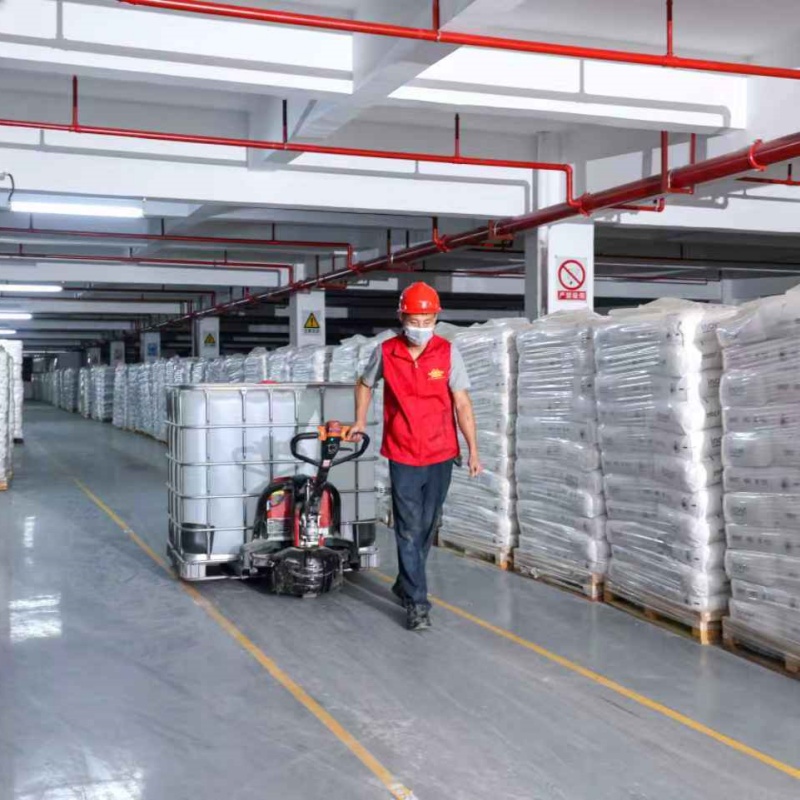
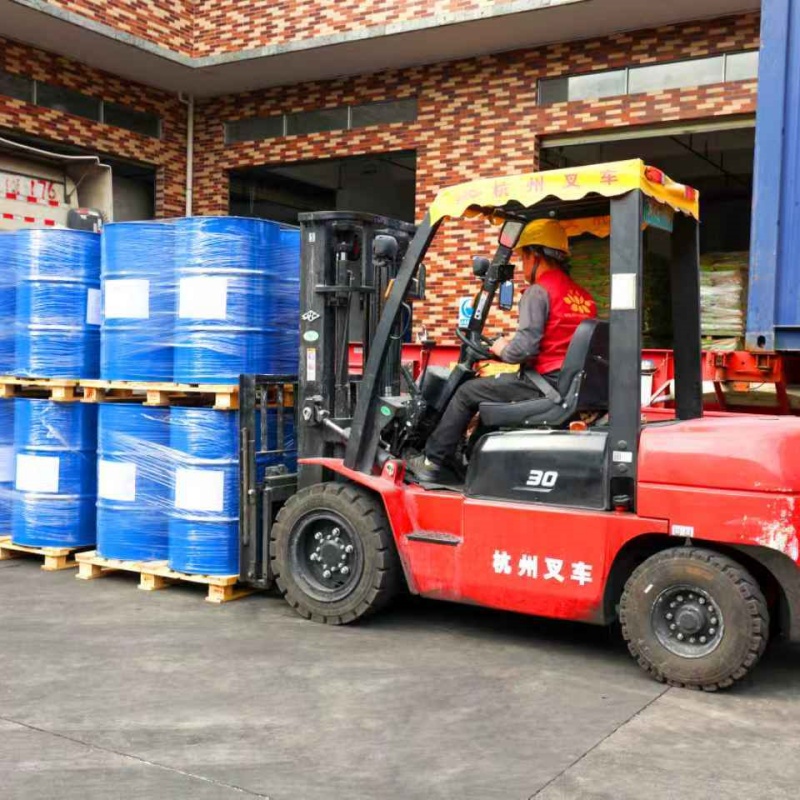
Baoshan maintains a 20,000 m² self-built warehouse and 16 liquid storage tanks, with over three months of safety stock for European materials (e.g., DINCH). Standard delivery for stocked items is within 7–14 working days for the Asian region. For customized blends, lead time depends on formulation complexity, typically 2–4 weeks.
Ready to evaluate materials for your next project? Contact Guangdong Baoshan Trading Co., Ltd. for product samples, technical data sheets, or a customized quotation.
Conclusion
Selecting the right PVC vinyl materials for slush molding and coating applications requires a thorough understanding of resin types, plasticizer chemistry, stabilizer technology, and regulatory compliance. Guangdong Baoshan Trading Co., Ltd. offers a comprehensive portfolio of globally sourced PVC raw materials—including BASF DINCH, Eastman TXIB, Kaneka and Shenyang paste resins, and ADEKA/BAEROSTAB stabilizers—backed by a 30,000 m² facility, in-house analytical laboratory, and over three decades of industry experience. By focusing on fact-based selection, manufacturers can achieve both process efficiency and full regulatory adherence for sensitive applications in toys, medical, and food contact markets.
Have Questions or Need More Details?
Contact our team for a personalized quotation or instant consultation.
Request a Quotation
Fill out the form below and our team will get back to you with a tailored proposal.
WhatsApp Direct Chat
Prefer to chat in real-time? Message us on WhatsApp for instant assistance & quick answers.
- Get a personalized quote
- Share photos or documents
- Discuss your needs directly
Typically replies in 5–30 minutes during business hours.