
Compliant PVC Vinyl Materials: A Specification and Certification Guide for Toy, Food-Contact, and Medical Applications
PVC vinyl materials used in toys, food-contact packaging, and medical devices face stricter regulatory scrutiny today than ever before. For industrial buyers, the procurement question is no longer limited to price or processability, but whether the supplier can prove compliance through certifications, contaminant limits, and consistent technical parameters. This guide explains which material properties and supplier credentials matter most when sourcing compliant PVC vinyl materials for regulated applications.
Problem Definition: What Makes PVC Vinyl Material Compliance Complicated
Buying PVC vinyl materials for regulated markets involves more than confirming a resin type. A supplier may offer low prices but lack traceable certification, while another may have certificates but fail to provide consistent product parameters for your process. In Southeast Asia, where toy production and medical device manufacturing are expanding, buyers often discover that a raw material batch fails phthalate restrictions, residual monomer limits, or migration tests only after production has started.
Compliance failures carry high costs: rejected shipments, rework, delayed market entry, and damaged customer trust. Therefore, the evaluation process should be specification-led. Buyers need to verify both the chemical composition of each component and the documentary evidence behind it.
Industry Background: Market Growth and Regulatory Pressure
Global demand for PVC vinyl materials continues to grow. The global PVC paste resin market was estimated at USD 2.67 billion in 2024 and is projected to reach USD 4.473 billion by 2035. Asia-Pacific accounts for more than 60% of global PVC paste grade resin volume, with China alone responsible for over 45% of consumption.
At the same time, regulatory restrictions are tightening. The European Union REACH regulation restricts certain phthalates such as DEHP, DBP, and BBP to concentrations below 0.1% in toys and childcare articles. The global eco-friendly plasticizers market was valued at USD 5.03 billion in 2024 and is projected to reach USD 7.55 billion by 2030 at a 7.0% CAGR. Medical plastics, including PVC for medical devices, were valued at USD 61.4 billion in 2025 with a projected 6.0% CAGR.
These trends explain why compliant PVC vinyl materials have become a strategic purchasing category, especially for buyers in Vietnam, Indonesia, and other Southeast Asian production hubs.
Detailed Solution: Build the Formulation from Certified Components
A compliant PVC vinyl material system typically consists of four component groups: resin, plasticizer, stabilizer, and viscosity-reducing additives. Each group must meet the contaminant limits and processing requirements of the target application. The following sections describe the main options available through Guangdong Baoshan Trading Co., Ltd, a China-based supplier that operates as a distributor for BASF Hexamoll® DINCH and Eastman TXIB, and also supplies PVC paste resins, blend resins, and phenol-free Ca/Zn stabilizers.
1. Resin Selection: Paste Resin and Blend Resin
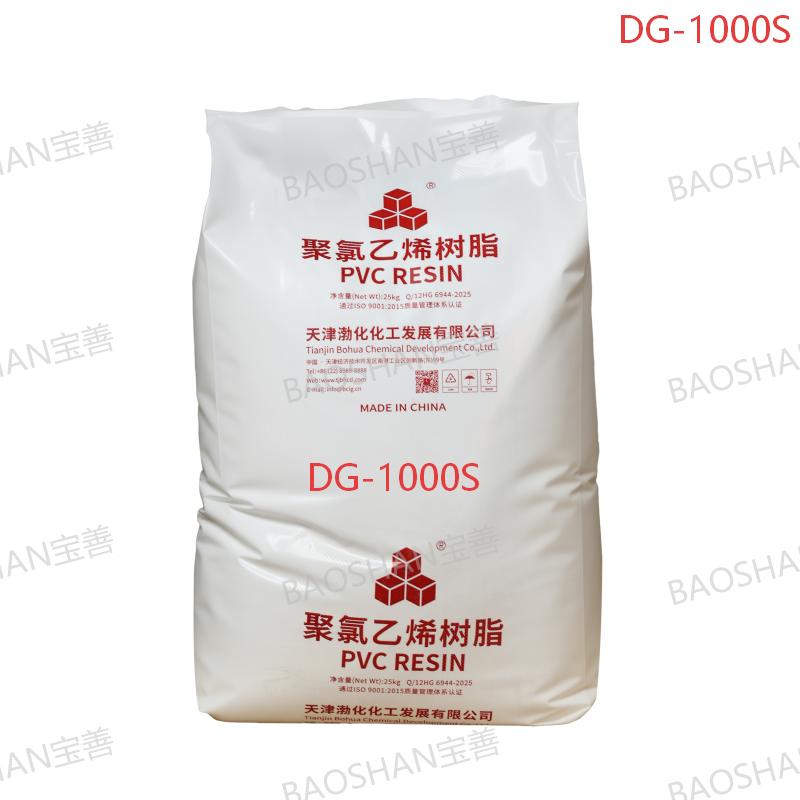
PVC paste resin is the base of plastisol formulations used in slush molding, coating, dipping, and foaming processes. Resin parameters such as K-value, paste viscosity, and residual vinyl chloride monomer (VCM) directly affect both processability and regulatory compliance.
- Kaneka PSM-31: a microsuspension PVC homopolymer paste resin with K-value 72 and paste viscosity of approximately 3,500 mPa·s. It offers medium plastisol viscosity, good defoaming, and fine particle size, making it suitable for artificial leather, toys, and flooring.
- Kaneka PSH-10S: K-value 70, low paste viscosity about 2,000 mPa·s, high transparency, low migration, and food-contact grade compliance. It is designed for food-grade cap gaskets, food packaging, medical-grade soft PVC, and high-transparency paste products.
- Formosa Plastics PR-G: K-value 77.5–81.0, polymerization degree 1700±100, low paste viscosity, high transparency, excellent demoldability, and residual VCM ≤5 ppm. It is used in medical gloves, dolls, anti-slip mats, cap sealing gaskets, artificial leather, and wallpaper.
- Shenyang PVC Paste Resin PSM-31: micro-suspension homopolymer, residual VCM ≤5.0 mg/kg, B-type viscosity 1500–6500 mPa·s at 30°C. It balances performance and cost for artificial leather, wallpaper, floor leather, toys, and tarpaulins.
- Shenyang PSH-10: low and stable paste viscosity, suitable for vinyl toys, surface layers of artificial leather, dip-molded trademarks, foaming wallpaper, and impregnated gloves.
- SY-Z140: a Tangshan Sanyou micro-suspension paste resin with low paste viscosity, good foaming, and thermal stability. It is used for foamed wallpaper, floor leather, artificial leather, rotational-molded toys, bottle cap gaskets, canvas coating, and metal protective coatings.
Blend resin powder is added to reduce paste viscosity and formulation cost. For regulated applications, residual VCM remains a key specification.
- SB-100C: medium-grade blend resin, K-value 62–67, average particle diameter 20 μm, residual VCM ≤5 ppm. It reduces viscosity, improves matting, and can partially replace high-cost paste resin.
- Zhongtai PB-1000: K-value 65, recommended dosage 20%–30%, high whiteness, low migration, and good compatibility. It is suitable for slush-molded toys, white coatings, and automotive undercoating.
- BIOVYN™ 266EF: K-value 66, residual VCM ≤1.0 ppm, EU REACH and RoHS compliant, and available as a bio-based version. It improves tensile and tear strength and provides uniform matt finish without additional matting agents.
- BJ-65: K-value 65, average particle diameter 20–40 μm, residual VCM ≤5 ppm. It reduces plasticizer consumption by 10%–20% and delivers smooth matte surfaces for toys, artificial leather, and automotive underbody coatings.
2. Plasticizer Selection: Non-Phthalate and Low-Migration Options
Plasticizer choice is the most compliance-sensitive decision in PVC vinyl materials. For toys, food-contact, and medical applications, non-phthalate or bio-based plasticizers are preferred.
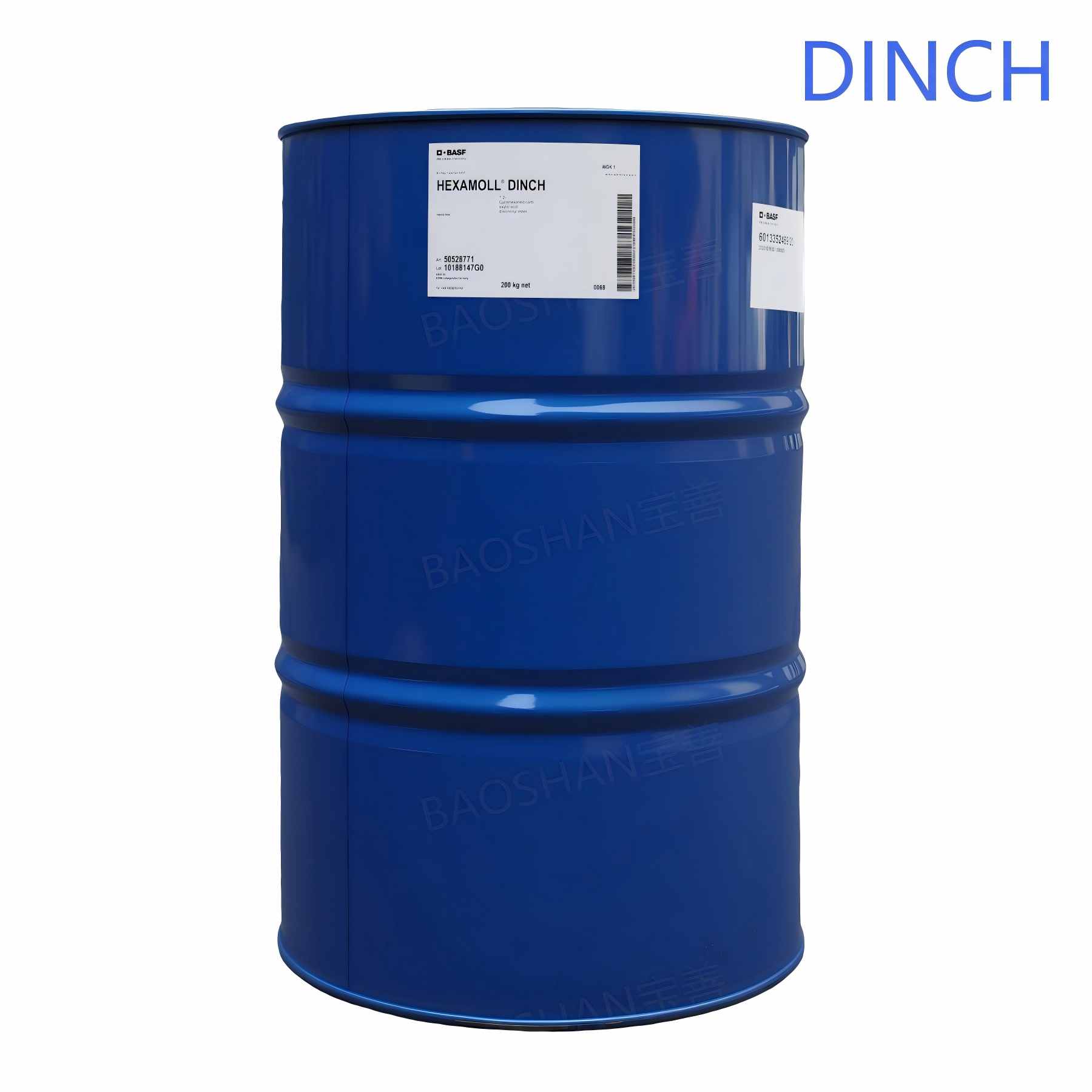
BASF Hexamoll® DINCH is a non-phthalate plasticizer with the chemical name di-isononyl cyclohexane-1,2-dicarboxylate, CAS 474919-59-0 (USA) or 166412-78-8 (outside USA). Its ester content is at least 99.5%, and its phthalate content is ≤0.01%. DINCH has a pour point of -54°C, extremely low odor, and low migration. According to verified BASF data, it is approved for medical devices and food contact materials due to its low migration rate and toxicological safety. It also reduces initial paste viscosity by 10%–20% and extends plastisol storage period by 20%–30% when used with paste resins such as Kaneka EH251 or Shenyang PSH-10.
Acetyl Tributyl Citrate (ATBC), CAS 77-90-7, is a bio-based plasticizer with purity ≥99.0%, freezing point ≤-80°C, and compliance with REACH, RoHS, FDA, and GB 4806 standards. ATBC is suitable for food-contact PVC films, bottle cap gaskets, medical infusion tubes, medical gloves, children’s toys, artificial leather, and automotive interiors.
DOTP (Dioctyl Terephthalate), CAS 6422-86-2, is an environmentally friendly plasticizer with purity ≥99.5%, flash point ≥210°C, and volume resistivity ≥2×10⁹ Ω·m. Its electrical performance is 10–20 times higher than DOP, making it well suited for cable materials, construction profiles, automotive interiors, and plastisol products.
GLOBINEX W-2050 is a polymeric polyester plasticizer with viscosity 2300–3500 mPa·s, acid value 0.5 mg KOH/g, and volume resistivity min 1×10¹¹ Ω·cm. It offers excellent resistance to solvent extraction, low migration, and low volatility. Its properties meet medical-grade requirements and support long-term stability in products such as medical supplies, food packaging, toys, and automotive leather interiors.
3. Stabilizer Selection: Phenol-Free Ca/Zn Systems
Heat stabilizers prevent PVC degradation during processing. For regulated PVC vinyl materials, phenol-free calcium-zinc stabilizers are widely used because they contain no lead, cadmium, or organotin.
- CT303TX (Baerostab CT 303 TX): clear liquid, density approximately 1.05 g/cm³, calcium content approximately 1.5%–2.0%, zinc content approximately 0.5%–1.0%, applicable temperature 160–200°C. It provides excellent compatibility, thermal stability, color retention, and demolding performance. Dosage range is 1.5–3.0 phr.
- CZ-190: yellowish transparent liquid, specific gravity 0.950–1.050 at 25°C, flash point >250°C. It is phenol-free, complies with REACH, RoHS, and FDA standards, and works for food-contact, medical, toys, and high-transparency PVC products.
- SC-135 and SC-1600C: phenol-free Ca/Zn stabilizers designed for paste PVC processing, with good thermal stability and suitability for food-contact, medical, toys, wires, and artificial leather.
- CZ-2756: phenol-free Ca/Zn stabilizer with thermal stability ≥30 minutes at 180°C and no detectable phenolic substances. It is suited for vinyl toys, PVC paste products, flexible films, shoe materials, wires, and sealing strips.
Guangdong Baoshan holds an Agency Certificate for ADK Calcium Zinc Stabilizers, issued by ADEKA (CHINA) CO., LTD., valid until 2026-12-31. This provides traceability for stabilizers used in toys, coated materials, and phenol-free systems.
4. Viscosity Reducer: Eastman TXIB
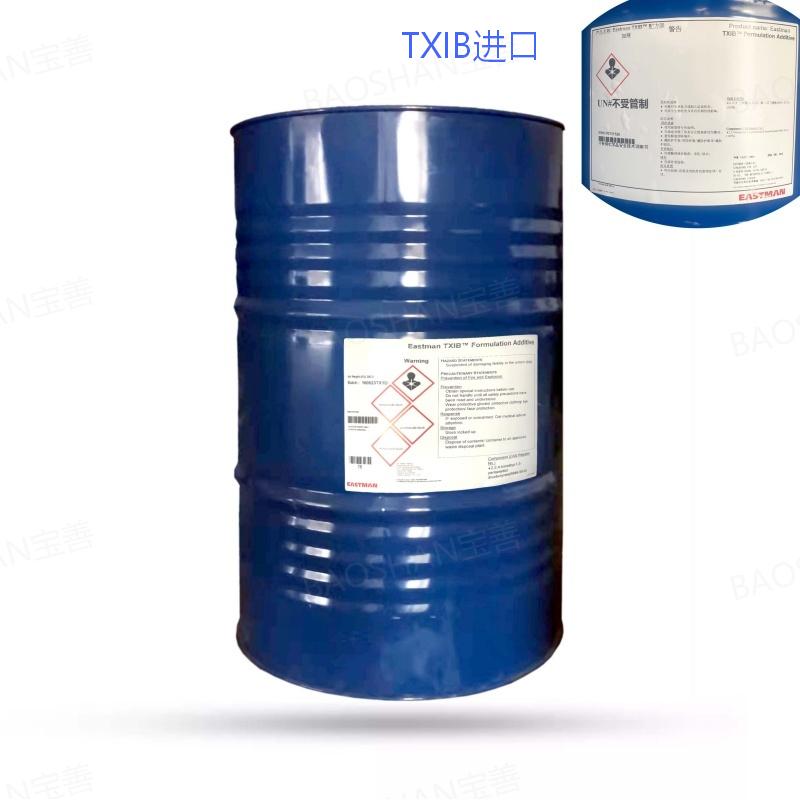
Eastman TXIB™ is a formulation additive based on 2,2,4-trimethyl-1,3-pentanediol diisobutyrate, CAS 6846-50-0. It is recognized as the lowest viscosity additive for flexible PVC at 9 cP, with a freezing point of -70°C. TXIB reduces plastisol viscosity, improves flow characteristics, reduces wave marks in high-shear coating, increases filler loading, and accelerates bubble release. It also provides a drier surface, improved printability, and better scratch resistance.
Guangdong Baoshan holds an Authorized Distributor Certificate from Eastman Chemical Ltd. for TXIB in the China region, awarded as the 2024 Plasticizer Business High Performing Distributor. This certification adds a verifiable supply-chain layer for buyers who require documented additive traceability.
Comparison Table: Recommended PVC Vinyl Material Combinations by Application
| Application | Resin | Plasticizer | Stabilizer | Key Compliance Attributes |
|---|---|---|---|---|
| Children’s slush-molded toys | Kaneka PSM-31, SY-Z140, blend resin SB-100C | BASF Hexamoll® DINCH or ATBC | CT303TX, CZ-190 | Non-phthalate, phenol-free, residual VCM ≤5 ppm, EN71-3 oriented |
| Food-contact packaging and cap gaskets | Kaneka PSH-10S | ATBC or DINCH | SC-135, SC-1600C | Low migration, FDA/GB 4806 compliant, high transparency |
| Medical soft PVC | Formosa PR-G, Kaneka PSH-10S | DINCH or GLOBINEX W-2050 | CZ-190, SC-1600C | Low toxicity, low volatility, medical-grade migration profile |
| Coated fabrics and artificial leather | Shenyang PSM-31, LF-51, blend resin PB-1000 | DOTP, TXIB as viscosity reducer | CZ-2756 | Low VOC, good adhesion, consistent paste viscosity |
Step-by-Step Breakdown: How to Verify a Compliant PVC Vinyl Materials Supplier
Step 1: Request Distributor and Management System Certificates
Check that the supplier holds authorization from major raw material producers. For example, Guangdong Baoshan holds a BASF Hexamoll® DINCH Authorized Distributor Certificate issued by BASF (China) Co., Ltd., with certification numbers BCN-CPA-20140305-1 and BCN-CPA-20150401-1. It also holds the Eastman TXIB distributor certificate and ISO 9001 certification with certificate number U23Q2GZ8027959R0S. These documents demonstrate that the supplier is a recognized channel for certain high-value additives.
Step 2: Review Contaminant and Purity Limits in Product Specifications
Ask for specifications for each raw material. Key numbers to check include residual VCM (e.g., ≤5 ppm for many paste resins, ≤1.0 ppm for BIOVYN 266EF), phthalate content (≤0.01% for DINCH), ATBC purity (≥99.0%), and stabilizer phenol content. If a supplier cannot provide these parameters, the material should not be considered fully compliant.
Step 3: Confirm Laboratory Testing Capability
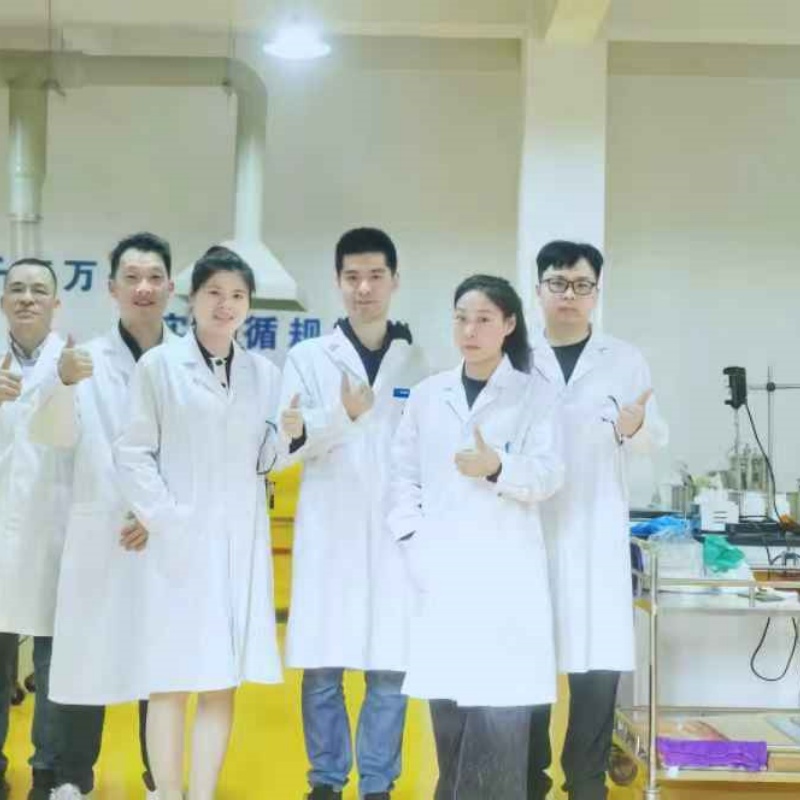
Reliable suppliers maintain internal analytical capability. Guangdong Baoshan operates a high-standard R&D and chemical analysis laboratory equipped with Agilent GC-MS, ICP-MS, and Waters LC-MS/MS. It provides free testing for phthalates, heavy metals, bisphenol A, and organotin, which helps buyers verify high-risk substances before production.
Step 4: Assess Supply Chain Stability
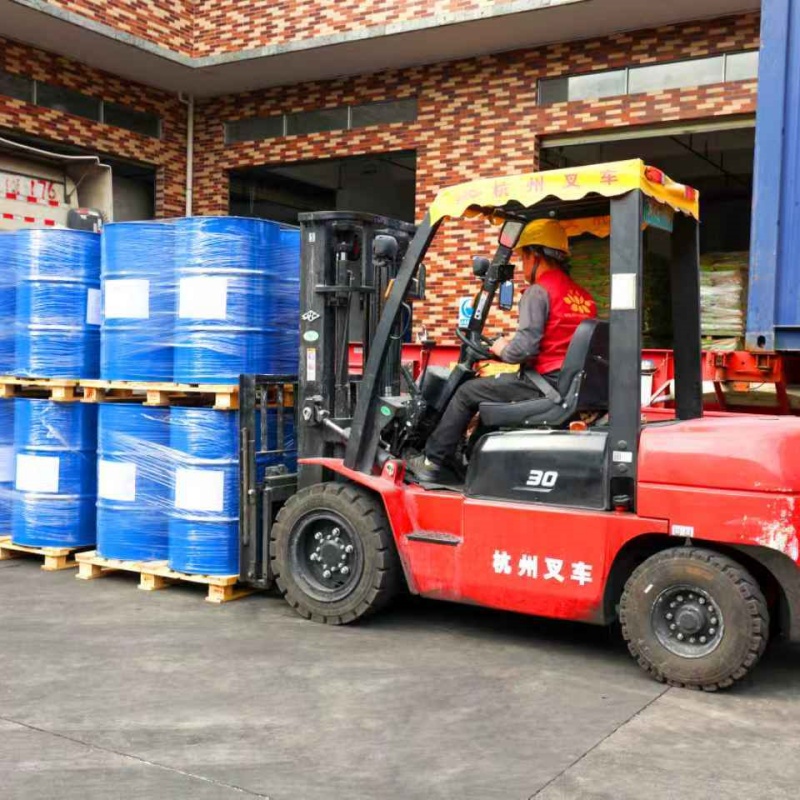
Compliance is not only about certificates; it also depends on consistent supply. Guangdong Baoshan reports a 20,000-square-meter self-built warehouse, 16 liquid storage tanks, safety stock of more than 3 months for bulk European materials, monthly sales volume of 4,000 tons, and typical lead time of 3–5 days. These operational details reduce the risk of last-minute substitution with unverified materials.
Step 5: Run Trials Under Your Actual Process Conditions
Sample testing under production conditions is the final verification step. The company supports sampling inspection with a minimum order quantity of 20 kg and provides technical support for formula optimization. A case from Vietnam illustrates the value: a PVC vinyl toy manufacturer with 300 vinyl machines maintained stable molding and mass production efficiency, with a 2-year shelf life for materials stored under cool and dry conditions.
Use Cases
Use Case 1: PVC Slush-Molding Toy Manufacturer in Vietnam
A Vietnamese toy manufacturer producing hollow vinyl toys required consistent paste viscosity and stable molding across hundreds of machines. The supplier combination of paste resin, blend resin, DINCH or ATBC, and a Ca/Zn stabilizer enabled stable molding, consistent toy quality, and high efficiency for mass production.
Use Case 2: Food-Contact Bottle Cap Gaskets
Bottle cap gaskets require low migration, high transparency, and food-contact compliance. Kaneka PSH-10S combined with ATBC and a food-contact-grade Ca/Zn stabilizer provides low paste viscosity, easy processing, and a clean surface profile suitable for food packaging and sealing products.
Use Case 3: Medical-Grade Soft PVC
Medical devices such as infusion tubes, blood bags, and catheters require low toxicity and low volatile loss. Formosa PR-G or Kaneka PSH-10S resin combined with BASF Hexamoll® DINCH and a phenol-free Ca/Zn stabilizer meets medical-grade requirements with low migration and long-term stability.
Use Case 4: PVC Coating and Artificial Leather
Coating processes often need low plastisol viscosity and good surface finish. A combination of Shenyang PSM-31 or LF-51, DOTP, Eastman TXIB as a viscosity reducer, and CZ-2756 stabilizer supports smooth coating, high filler loading, and lower formulation cost without sacrificing compliance.
FAQ
What certifications should a PVC vinyl materials supplier hold for regulated markets?
A reliable supplier should provide verifiable authorization certificates from upstream producers. For example, Guangdong Baoshan holds the BASF Hexamoll® DINCH Authorized Distributor Certificate, numbers BCN-CPA-20140305-1 and BCN-CPA-20150401-1; the Eastman TXIB Authorized Distributor Certificate; the ISO 9001 certificate U23Q2GZ8027959R0S; and the ADK Calcium Zinc Stabilizers Agency Certificate valid until 2026-12-31. These documents establish traceability from producer to distributor.
What key parameters should I check when buying PVC vinyl materials for toys, food-contact, and medical products?
Check residual VCM, plasticizer purity, phthalate content, phenol content, paste viscosity, and K-value. Examples include residual VCM ≤5 ppm for many paste resins used in toys, residual VCM ≤1.0 ppm for BIOVYN 266EF, phthalate content ≤0.01% for BASF Hexamoll® DINCH, and ATBC purity ≥99.0%. Stabilizers should be phenol-free and compliant with REACH, RoHS, FDA, or GB 4806 depending on the target market.
How can I control formulation cost while still meeting compliance requirements?
Blend resin powders such as SB-100C, PB-1000, and BJ-65 can partially replace paste resin and reduce plasticizer consumption by 10%–20%, directly lowering formulation cost. Eastman TXIB lowers plastisol viscosity and allows higher filler loading. These adjustments must be validated with the same compliance tests required for the final application.
Can I request samples before placing a large order?
Yes. Guangdong Baoshan supports sampling with a minimum order quantity of 20 kg. The company uses sampling inspection for quality control and offers laboratory testing and technical support to help buyers validate samples before mass production. You can contact the team to request a sample for your specific formulation.
What is the typical lead time for compliant PVC vinyl materials?
The typical lead time is 3–5 days, based on the company’s monthly sales volume of 4,000 tons and warehousing capacity with over 3 months of safety stock for bulk European materials. For project-specific requirements, it is recommended to confirm lead time with the supplier in advance.
Need certified PVC vinyl materials for your next project? Contact Guangdong Baoshan Trading Co., Ltd. for sample requests, technical consultation, or a quotation.
Email: misscheng1984@163.com | WhatsApp: +84 865388399
Website: www.baoshancl.cn
Conclusion
Sourcing compliant PVC vinyl materials is a specification-driven process. Buyers must evaluate resin parameters, plasticizer purity, stabilizer chemistry, and supplier certifications before making procurement decisions. The combination of documented distributor authorization, contaminant control, and laboratory testing capability creates a verifiable chain of compliance. Suppliers that can provide traceable data for each component help reduce regulatory risk and ensure consistent production for toys, food-contact, and medical applications.
Have Questions or Need More Details?
Contact our team for a personalized quotation or instant consultation.
Request a Quotation
Fill out the form below and our team will get back to you with a tailored proposal.
WhatsApp Direct Chat
Prefer to chat in real-time? Message us on WhatsApp for instant assistance & quick answers.
- Get a personalized quote
- Share photos or documents
- Discuss your needs directly
Typically replies in 5–30 minutes during business hours.