
PVC Vinyl Materials Compared: A Cost-Performance Framework for Regulated Product Buyers
Comparing PVC vinyl materials is rarely as simple as comparing unit prices. For buyers serving regulated industries, the decision involves regulatory compliance, processing behavior, supply continuity, and technical support.
This article provides a practical cost-performance framework for comparing PVC vinyl materials for toys, food contact, medical, and coating applications. It also explains how Guangdong Baoshan Trading Co., Ltd., a PVC vinyl materials supplier founded in 1994 and based in Dongguan, China, approaches these comparisons through product range, testing capability, and supply chain design.
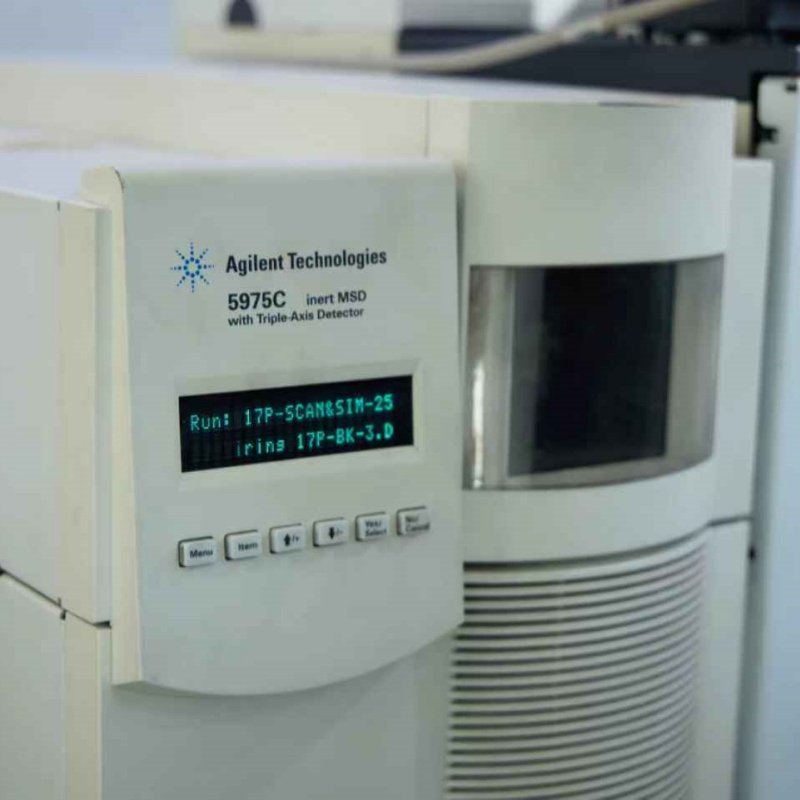 Laboratory testing is essential for comparing PVC vinyl material quality and compliance.
The Real Cost of Choosing the Wrong PVC Vinyl Material
Many procurement teams begin with a simple question: Which PVC vinyl material is cheaper? The more relevant question is which material costs less per successfully produced, compliant product.
PVC vinyl materials include paste resins, blending resins, plasticizers, viscosity reducers, stabilizers, and additives. A formulation that is compliant in one market may fail in another. For example, EU REACH restricts DEHP, DBP, and BBP to below 0.1% in toys and childcare articles. Similar restrictions exist for heavy metals, PAHs, bisphenol A, PFAS, and other substances depending on the application and destination market.
Process compatibility is equally important. A plasticizer with adequate regulatory status may still cause viscosity problems in a slush molding process; a viscosity reducer may alter the film-forming behavior of a coating. The true comparison therefore includes compliance, performance, and the supplier’s ability to provide traceable evidence.
Why PVC Vinyl Material Comparison Is Becoming More Strategic
The PVC paste resin market is expanding. The global PVC paste resin market size was estimated at USD 2.67 billion in 2024 and is projected to reach USD 4.473 billion by 2035, according to Market Research Future. The Asia-Pacific region accounts for over 60% of global paste grade PVC resin volume, with China responsible for more than 45% of consumption.
At the same time, demand for environmentally friendly plasticizers is increasing. MarketsandMarkets valued the global eco-friendly plasticizers market at USD 5.03 billion in 2024, with a projection of USD 7.55 billion by 2030 at a 7.0% CAGR. Buyers are moving toward non-phthalate options such as Hexamoll® DINCH, which BASF describes as a non-phthalate plasticizer approved for medical devices and food contact materials because of its low migration rate and toxicological safety.
The medical plastics market, valued at USD 61.4 billion in 2025, adds another layer of demand for PVC materials with rigorous batch control. These trends make supplier evaluation a strategic process rather than a price negotiation.
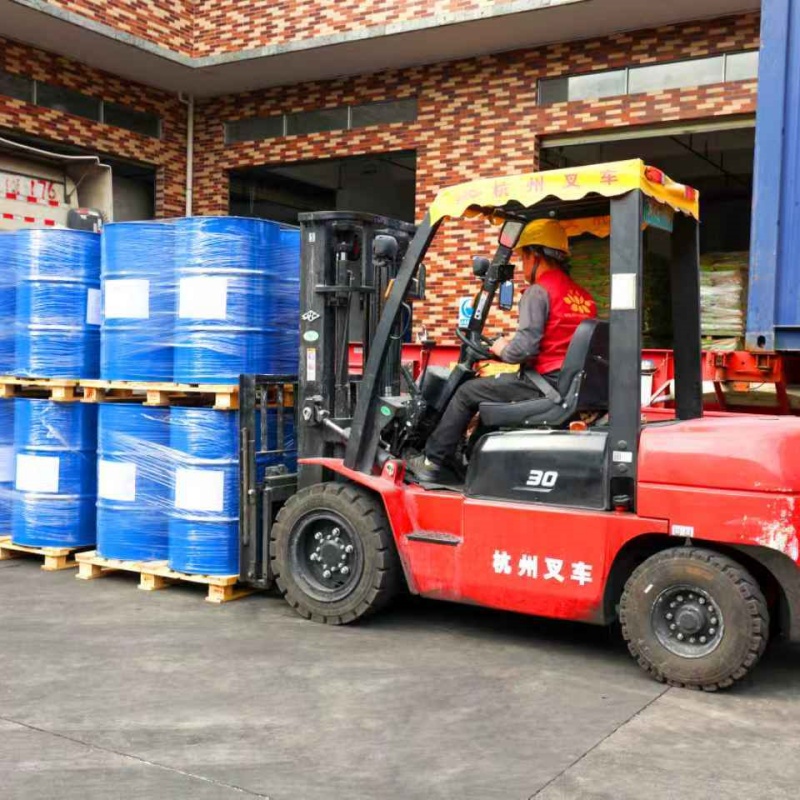 Safety stock and logistics capacity reduce supply disruption risk.
A Cost-Performance Comparison Model for PVC Vinyl Materials
The core of any decision is a structured comparison model. A practical model evaluates five areas: compliance mapping, material portfolio, process compatibility, supply resilience, and technical support.
1. Compliance Mapping
Define the destination market and end-use regulation before comparing materials. For children’s toys, check phthalate limits and heavy metal limits. For food contact products, look for plasticizers approved for food contact, such as Hexamoll® DINCH. For medical devices, check whether the material is suitable for medical applications and whether batch testing can be documented.
The supplier’s testing capability is a primary source of evidence. Guangdong Baoshan Trading operates a chemical analysis laboratory equipped with Agilent GC-MS, ICP-MS, and Waters LC-MS/MS, and tests incoming materials for phthalates, heavy metals, bisphenol A, organotin, and other high-risk substances. This supports traceability of raw material sources.
2. Material Portfolio
A supplier with a wider portfolio reduces the risk of incompatible components. PVC vinyl materials often require a combination of PVC paste resin, blending resin, plasticizer, stabilizer, and additive. Guangdong Baoshan offers PVC paste resins, blending resins, environmentally friendly plasticizers, viscosity reducers, stabilizers, and other key additives from major global brands. As an authorized distributor of BASF Hexamoll® DINCH in China and Eastman TXIB in China, the company can supply both compliance-oriented plasticizers and processing aids.
3. Process Compatibility
Processing parameters determine whether a material works on an existing production line. In vinyl plastisol applications such as slush molding, viscosity and viscosity stability are critical. Eastman TXIB™ is recognized as the lowest viscosity (9 cps) additive available for flexible PVC, and it is used to optimize vinyl plastisol flow and film-forming behavior.
For food-contact and medical products, plasticizer migration is a core performance criterion. Hexamoll® DINCH’s approval status is directly relevant because migration is a key parameter for safety.
4. Supply Resilience
A compliant material at the right price does not help if the supply chain breaks. Check safety stock, warehouse capacity, and logistics capability. Guangdong Baoshan maintains a 20,000-square-meter self-built warehouse, 16 liquid storage tanks, and more than 3 months of safety stock for bulk European materials. The company also operates an in-house fleet and cooperates with land and sea logistics routes.
5. Technical Support
Formula optimization is often the difference between an acceptable material and a high-performing one. Guangdong Baoshan’s R&D team supports BASF DINCH application development in the Asia-Pacific region and provides customers with formula optimization and product upgrading support. Its quality system follows ISO9001, and the company has passed a joint audit by BASF’s Petrochemical Division, Quality Management Department, and Environment, Health, and Safety Department.
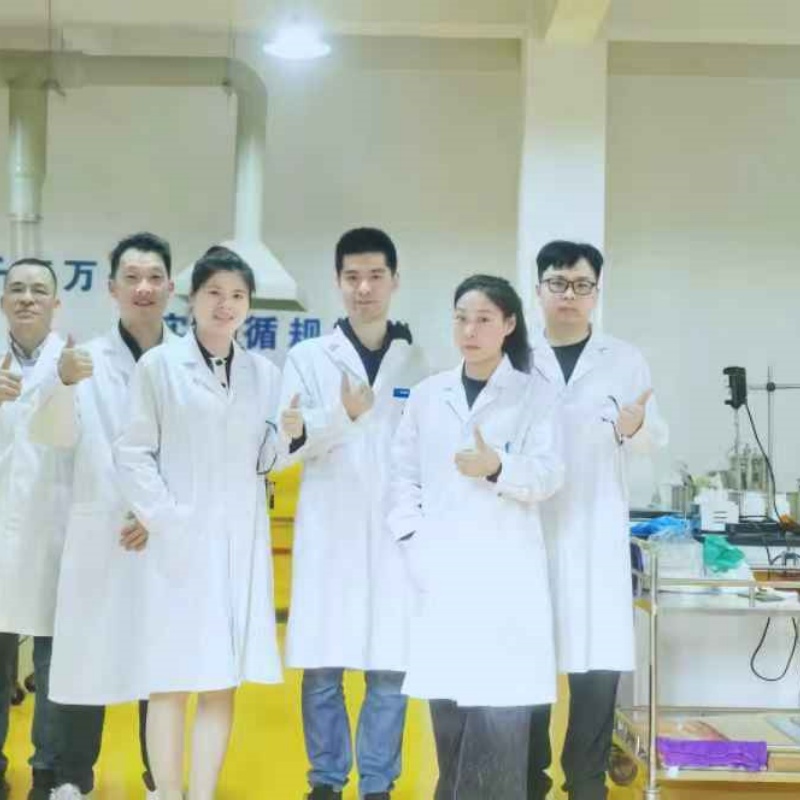 Batch testing for high-risk substances helps buyers verify compliance.
Step-by-Step: How to Compare PVC Vinyl Material Options
- Define the end use. Identify whether the final product is a toy, food contact item, medical device, automotive interior, coating, ink, or other application. This determines the relevant regulations and material restrictions.
- Shortlist compliant candidates. Map each material to the required compliance parameters. For sensitive uses, prioritize non-phthalate plasticizers such as Hexamoll® DINCH and consider ATBC for toys and food packaging.
- Compare processing parameters. Review viscosity, viscosity reduction, film formation, migration behavior, and compatibility with existing equipment. For plastisol processes, consider additives such as Eastman TXIB that can reduce viscosity to improve flow.
- Verify supplier testing. Confirm that the supplier tests incoming batches for phthalates, heavy metals, PAHs, RoHS, BPA, PFAS, REACH, and other risk substances, and can provide batch-level traceability.
- Assess supply stability. Look for safety stock, warehouse capacity, and delivery infrastructure that can absorb demand fluctuations. For European-sourced materials, a safety stock of more than three months is a strong signal.
- Calculate total cost per good product. Include raw material price, testing cost, downtime risk, rejection rate, logistics cost, and the cost of technical support. The lowest-priced material often becomes the most expensive when a production batch fails.
Use Cases: Comparing Materials by Application
Children’s Vinyl Toys and Slush Molding
Slush molding toy materials require a paste resin system with stable viscosity and a plasticizer system that meets toy safety regulations. In the EU, phthalates DEHP, DBP, and BBP are restricted to below 0.1% in toys and childcare articles. Non-phthalate plasticizers such as Hexamoll® DINCH or ATBC are common candidates. Buyers should compare plasticizers not only on price but on viscosity contribution, migration behavior, and odor.
Food Contact Materials
Food-contact films and coatings need plasticizers approved for contact with food. Hexamoll® DINCH is a non-phthalate plasticizer approved for food contact materials due to its toxicological safety and low migration. When comparing suppliers, ask for regulatory documentation and test reports for each batch.
Medical Devices and Medical-Grade PVC
Medical PVC materials demand high purity, controlled additives, and full traceability. The medical plastics market is large and growing, and buyers increasingly select suppliers that can test for BPA, heavy metals, and other extractables. An authorized distributor with access to Hexamoll® DINCH and testing equipment such as GC-MS and ICP-MS can support medical-grade formulation work.
Coatings and Inks
For PVC coated materials and dripping glue applications, viscosity reducers are important. Eastman TXIB™ is recognized as the lowest viscosity additive for flexible PVC (9 cps) and is used to optimize plastisol flow. A supplier that offers viscosity reducers, film-forming agents, and stabilizers together can simplify formulation management.
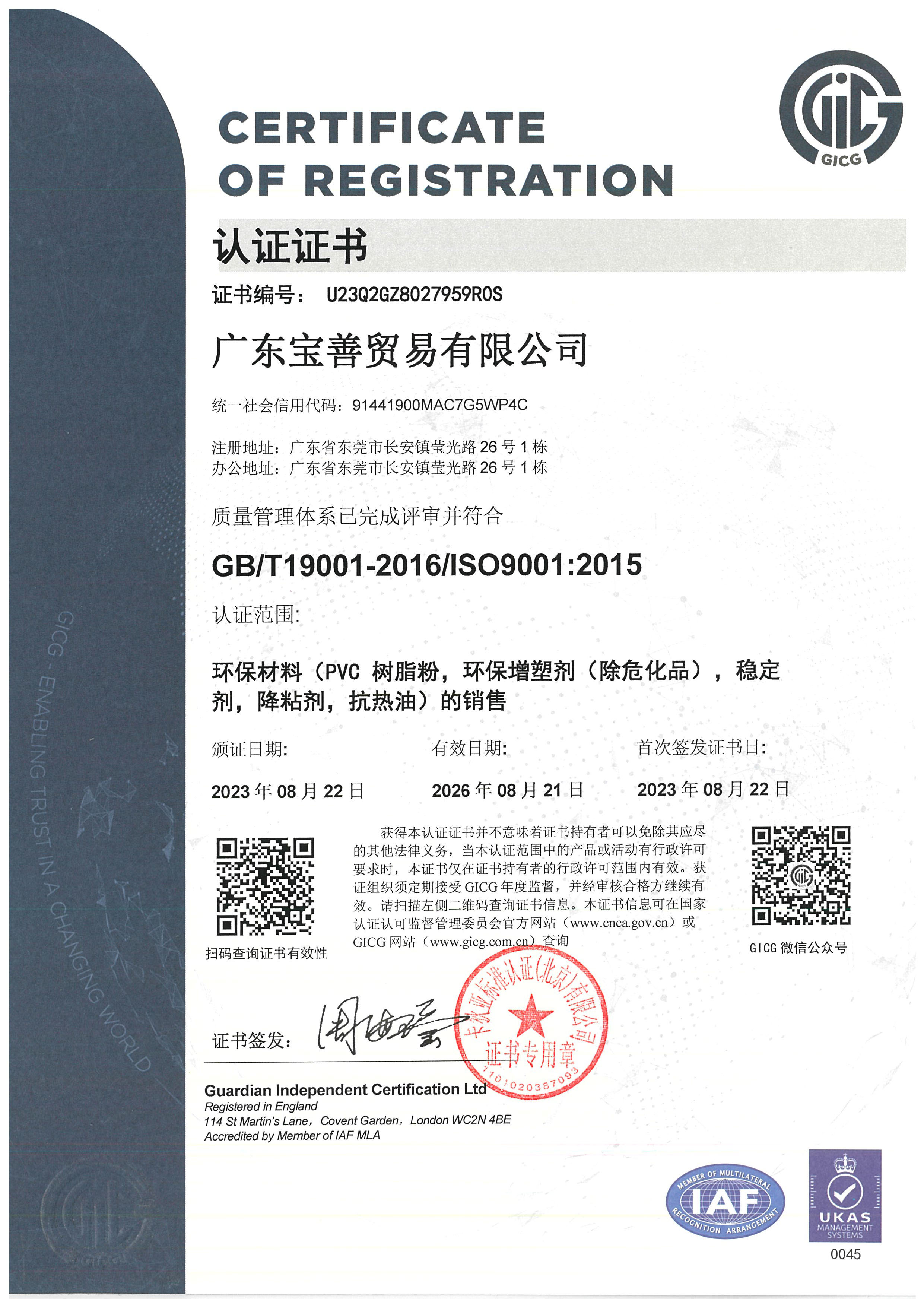 ISO9001 certification and supplier audits support quality consistency.
Reference Table: Documented Differences Among Common Plasticizer and Additive Options
| Material | Documented fact | Relevance to comparison |
|---|---|---|
| Hexamoll® DINCH (BASF) | Non-phthalate plasticizer approved for medical devices and food contact materials due to low migration rate and toxicological safety. | Use as a reference for regulatory suitability in sensitive applications. |
| Eastman TXIB™ | Recognized as the lowest viscosity (9 cps) additive available for flexible PVC. | Use as a reference for viscosity reduction and plastisol flow improvement. |
| ATBC (Acetyl Tributyl Citrate) | Market for children’s toys and food packaging projected to reach USD 149 million by 2025. | Indicates growing demand in toys and food packaging applications. |
This table only includes facts that are documented in publicly available industry sources; it is not a complete performance ranking. Actual selection depends on the full formulation and application requirements.
Frequently Asked Questions
1. Which compliance requirements should I compare first when choosing PVC vinyl materials?
Start with the destination market and end use. For toys and childcare articles sold in the EU, REACH restricts DEHP, DBP, and BBP to below 0.1%. For medical and food-contact applications, non-phthalate plasticizers such as Hexamoll® DINCH are preferred because of their approval status and low migration. A supplier should be able to test for phthalates, heavy metals, PAHs, RoHS, BPA, PFAS, and REACH-related substances, and provide batch-level traceability.
2. How can I evaluate a supplier’s technical capability for PVC vinyl material comparison?
Look for an in-house laboratory, application development support, and a complete material portfolio. Guangdong Baoshan Trading, for example, owns high-precision test equipment including Agilent GC-MS, ICP-MS, and Waters LC-MS/MS, tests every batch of incoming materials, and supports BASF Hexamoll® DINCH application development in the Asia-Pacific region.
3. How can I balance cost and performance when buying PVC vinyl materials?
Use total cost per successfully produced product rather than unit price. A more expensive plasticizer or additive can reduce rejection rates and downtime. For viscosity control, a small amount of Eastman TXIB™ may lower the total formulation cost by improving flow and reducing processing issues. Ask the supplier for formula optimization support to avoid over-specification.
4. Can I request samples before a bulk purchase?
Sample validation is a normal part of PVC vinyl material procurement. Contact Guangdong Baoshan Trading directly to confirm the current sample policy for your application and region. The company’s team can also provide product specifications and discuss how to align a sample with your production process.
5. What lead time and supply resilience can I expect from a PVC vinyl materials supplier?
Lead time depends on the material type, order volume, and shipping route. Supply resilience can be assessed through warehouse capacity and safety stock. Guangdong Baoshan maintains a 20,000-square-meter warehouse, 16 liquid storage tanks, and over 3 months of safety stock for bulk European materials. To get a lead-time estimate for your project, contact the company through the information below.
Next Step: Request Current Product Information or a Sample
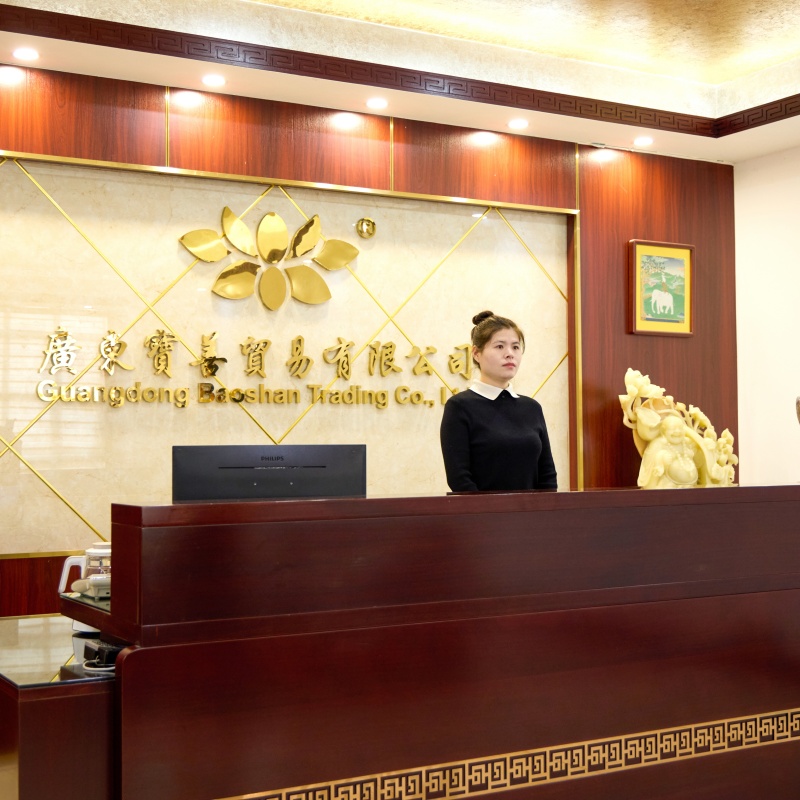
For PVC vinyl material specifications, sample requests, or a quote, contact Guangdong Baoshan Trading Co., Ltd.
Email: misscheng1984@163.com
Tel/WhatsApp: +86 13580992838 / +84 865388399
Website: www.baoshancl.cn
Conclusion
Comparing PVC vinyl materials for regulated products requires more than a price list. The right comparison framework combines compliance mapping, material portfolio coverage, process compatibility, supply continuity, and technical support. Using documented facts about plasticizers such as Hexamoll® DINCH and Eastman TXIB™, buyers can make better decisions for toys, food contact, medical, and coating applications.
Guangdong Baoshan Trading Co., Ltd. offers a practical example of a supplier with documented technical and supply-chain capabilities. When you are ready to evaluate materials for a specific project, a direct inquiry with batch-level information is the next logical step.
Have Questions or Need More Details?
Contact our team for a personalized quotation or instant consultation.
Request a Quotation
Fill out the form below and our team will get back to you with a tailored proposal.
WhatsApp Direct Chat
Prefer to chat in real-time? Message us on WhatsApp for instant assistance & quick answers.
- Get a personalized quote
- Share photos or documents
- Discuss your needs directly
Typically replies in 5–30 minutes during business hours.