
PVC Vinyl Materials for Project Fit: A Practical Guide to Resin, Plasticizer and Stabilizer Selection
Selecting PVC vinyl materials is rarely an abstract chemistry exercise. For an industrial project, each manufacturing line imposes a different set of constraints: heating time, shear conditions, mold geometry, gelation temperature, surface finish, and the regulations that apply in the country where the finished article will be sold. This article explains how to translate those project constraints into a concrete PVC material package. The examples draw on PVC paste resin, blend resin, eco-friendly plasticizers, phenol-free Ca/Zn stabilizers, and processing additives available through Guangdong Baoshan Trading Co., Ltd., a Dongguan-based PVC material solution platform established in 1994.
Why Material Selection Depends on the Project
Most project problems trace back to formulation incompatibility. A PVC paste may produce a smooth laboratory sheet but fail on a slush molding machine because air release is slow. A coating paste may show acceptable initial viscosity but climb after storage. A plasticizer may meet one restricted-substance list but fail another. In this product environment, the process is heating processing and continuous production under standard production conditions. The practical consequence is that selected materials must work on the equipment used in real production, including rotomolding machines for vinyl toys, dripping machines, glue dispensers, and PVC coating machines.
Regulatory requirements add another layer. In Southeast Asia, and specifically in Vietnam and Indonesia, projects in the toy, coating, food-contact, and medical fields are increasingly reviewed against high-risk substance controls such as heavy metals, phthalates, PAHs, brominated flame retardants, BPA, PFAS, REACH, RoHS, and EN71. A supplier who can trace each raw material and offer testing support is therefore part of the project specification, not an optional extra.
Market Context for Project Evaluations
Several verified market data points help explain why buyers in regulated industries are changing their material qualification process. The global PVC paste resin market was estimated at USD 2.67 billion in 2024 and is projected to reach USD 4.473 billion by 2035. Asia-Pacific accounts for more than 60% of global PVC paste-grade resin volume, with China responsible for more than 45% of consumption. The global eco-friendly plasticizers market was valued at USD 5.03 billion in 2024 and is projected to reach USD 7.55 billion by 2030 at a 7.0% CAGR. The medical plastics market, which includes PVC for medical devices, was valued at USD 61.4 billion in 2025 with a projected 6.0% CAGR. These trends explain why project owners no longer ask only for price and delivery; they also ask for documented compliance, low-migration plasticizer systems, and raw material stability over large production runs.
The Core Material System: What a Project Actually Requires
A PVC plastisol project works as a system. The main building blocks are a paste resin, a blending resin, one or more plasticizers, a stabilizer package, and often a viscosity-control or surface additive. The following material families are documented in the product data available for this article.
PVC Paste Resin and Blend Resin
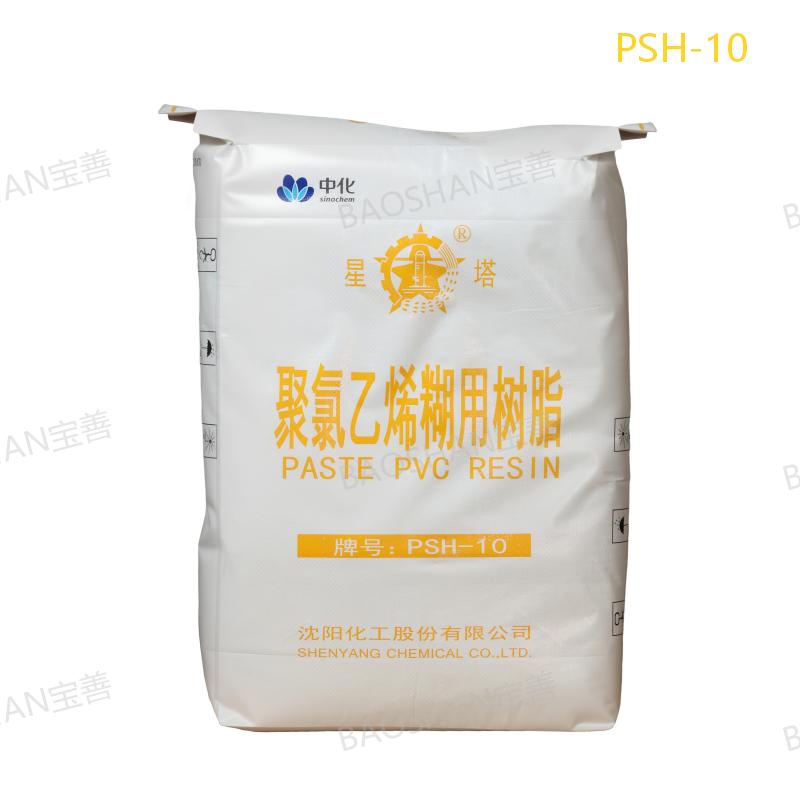
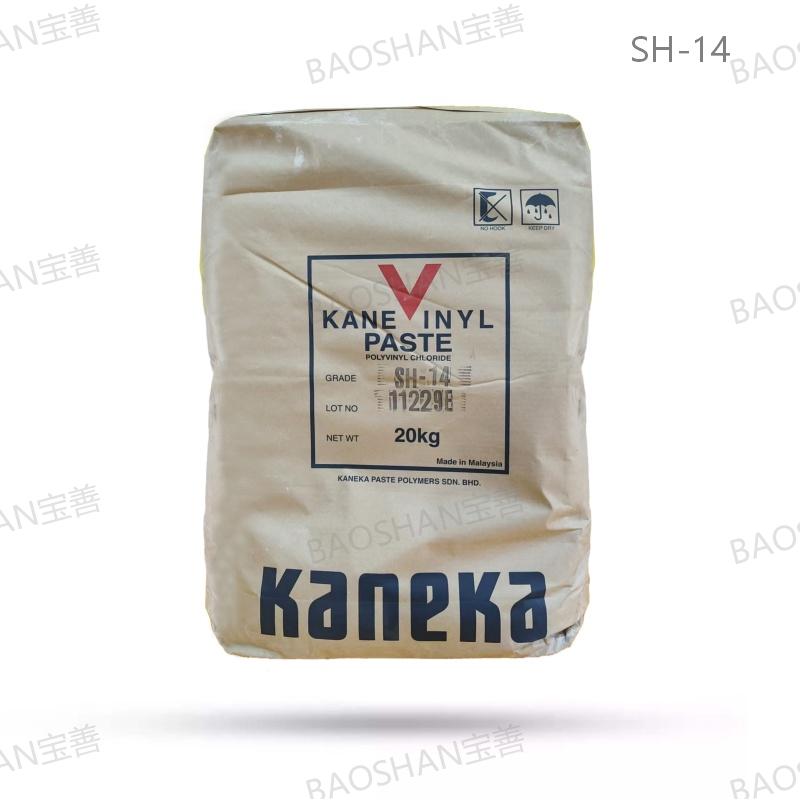
Paste resin is the base of a plastisol. Several microsuspension PVC homopolymer paste resins appear in the available product set. Shenyang PSH-10, for example, has a K value of 72 to 75, a typical degree of polymerization of 1680, and a Type B paste viscosity of 1000 to 2500 mPa·s. Its product data describes pseudoplastic behavior at low shear rates, good fluidity at high shear rates, and compatibility with plasticizers such as DINCH, DOTP, ATBC, TXIB, and Eastman film-forming additives. Kaneka PSM-31 is another microsuspension paste resin, with K value 72 and typical paste viscosity of about 3500 mPa·s; it is positioned for artificial leather, toy manufacturing, flooring, wall coverings, coatings, and automotive applications because of medium plastisol viscosity, defoaming properties, and foamability. Kaneka PSH-10S has a lower paste viscosity of about 2000 mPa·s, K value 70, and is described as food-contact grade, high-transparency, and low-migration, making it relevant for food-grade cap gaskets and medical-grade soft PVC products. KANEVINYL PASTE SH-14, with K value 77 and degree of polymerization 1700, is another option when high transparency, heat resistance, water resistance, or weather resistance is important.
Blending resins are used alongside paste resin to reduce paste viscosity, improve matting, or create cost relief. SB-100C is a medium-grade PVC blend resin powder with a K value of 62 to 67, average particle diameter of 20 μm, and residual vinyl chloride monomer content of no more than 5 ppm; its product data identifies toy manufacturing, automotive underbody coating, artificial leather, and plastic coating as main application fields. BJ-65, another medium-sized PVC powder, has K value 65 and average particle diameter of 20 to 40 μm. Its advantages include efficient viscosity reduction and the ability to reduce plasticizer consumption by 10% to 20%, depending on formulation. Zhongtai PB-1000 has K value 65 and is described as a viscosity-reducing resin and matting resin; for ideal viscosity reduction, the recommended dosage is 20% to 30%. In the same family, 266EF is a PVC extender homopolymer with low haze, optional BIOVYN bio-based version, and documented compatibility with REACH and RoHS requirements.
Plasticizer Selection: From Food-Contact to General Coating
Plasticizers determine the flexibility, migration behavior, low-temperature performance, and regulatory profile of a PVC article. No single plasticizer solves every project.
BASF HEXAMOLL DINCH is a non-phthalate plasticizer based on di-isononyl cyclohexane-1,2-dicarboxylate. Its typical properties include viscosity of 44 to 60 mPa·s at 20°C, density of 0.944 to 0.954 g/cm³ at 20°C, ester content of at least 99.5%, and phthalate content of no more than 0.01%. It has a pour point of -54°C, extremely low odor, and product data shows volatility roughly 50% lower than DOP. Independently, BASF states that HEXAMOLL DINCH is approved for medical devices and food-contact materials because of its low migration rate and toxicological safety. The product data also lists approvals and recommendations for use in toys for children under three years old. For a toy, food-contact, or medical project, this is a strong starting point for plasticizer qualification.
Acetyl Tributyl Citrate, generally known as ATBC, is another non-phthalate option associated with toys and food packaging. The verified market projection places the ATBC market for children’s toys and food packaging at USD 149 million by 2025. In the available product data, ATBC is described as a colorless, odorless, high-purity ester with a freezing point below -80°C, compliance with REACH, RoHS, FDA, and GB 4806, and suitability for food-contact PVC products, medical-grade PVC products, children’s toys, and automotive interior applications.
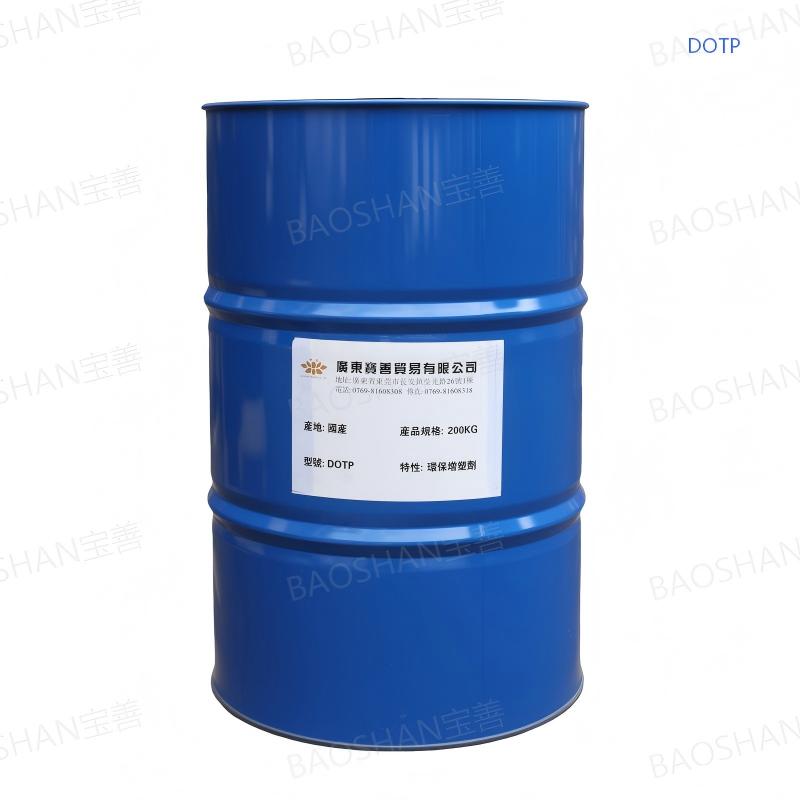
DOTP, or dioctyl terephthalate, is a non-phthalate plasticizer with high purity and a flash point above 210°C. Its volume resistivity is described as 10 to 20 times higher than DOP, making it relevant for PVC cable materials and other applications requiring electrical insulation. DOTP can be blended with other plasticizers, and in PVC plastisols it can help reduce viscosity and extend storage life. The product data also lists building materials, automotive interiors, medical devices, plastic films, paste products, coatings, and inks as application fields.
For projects that demand higher resistance to extraction or longer service life, GLOBINEX W-2050 is a polymeric polyester plasticizer with viscosity of 2300 to 3500 mPa·s at 25°C, acid value of 0.5 mg KOH/g, and volume resistivity of at least 1×10¹¹ Ω·cm. It is described as low-migration, low-volatility, anti-aging, and suitable for products where solvent extraction resistance and lasting plasticization are needed. For viscosity control and surface properties, Eastman TXIB is recognized as a low-viscosity formulation additive at about 9 cP at 25°C. The product data describes TXIB as a viscosity reducer that improves flow characteristics, reduces wave marks from high-shear coating, supports faster bubble removal, and provides a drier surface with better printability and stain resistance. TXIB is compatible with general-purpose plasticizers such as DINCH, DOTP, and ATBC.
Phenol-Free Ca/Zn Stabilizers and Functional Additives
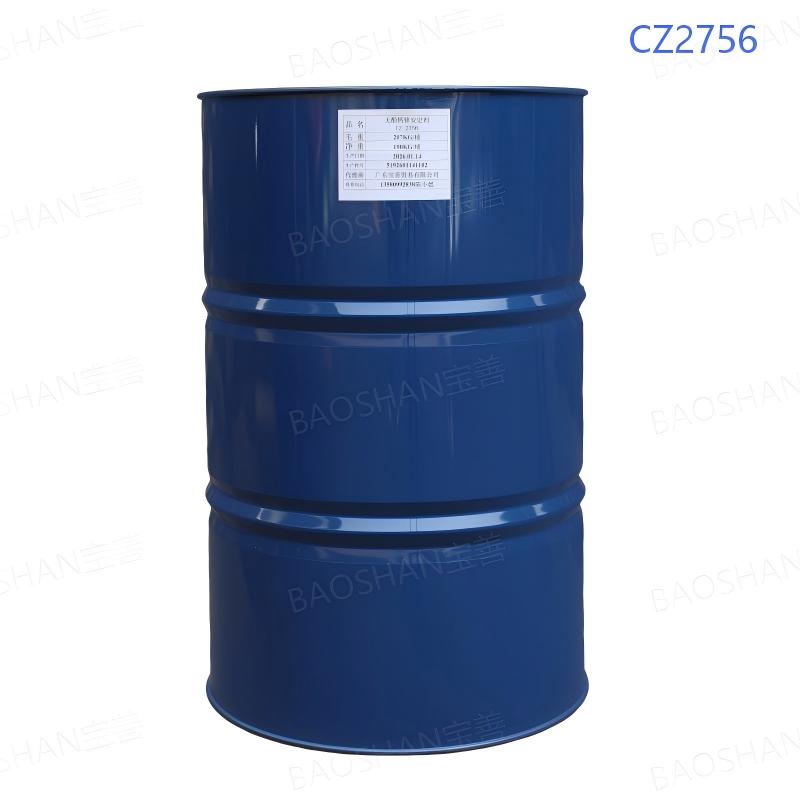
Thermal stabilizers protect PVC from decomposition during processing. For regulated projects, the available product line includes phenol-free Ca/Zn stabilizers such as ADK STAB SC-135, SC-1600C, CZ-2756, and CZ-190. SC-135 is described as suitable for food-contact PVC, medical products, children’s toys, and eco-friendly wire and cable. SC-1600C is a liquid Ca/Zn stabilizer with density of about 1.05 g/cm³ and viscosity of roughly 1000 to 3000 mPa·s at 25°C; its data sheet lists compliance with REACH, RoHS, and FDA criteria as well as good compatibility with PVC paste resin and plasticizers. CZ-2756, described as a liquid Ca/Zn stabilizer, has thermal stability of at least 30 minutes at 180°C, no detectable phenolic substances, and compliance references including EU REACH, RoHS, PAHs, and EN71-3. These stabilizer types are especially important for toy, food-contact, and medical projects where lead, cadmium, phenol, or organotin chemistry cannot be accepted.
Auxiliary additives can also affect process stability. SILICONE FLUID L-45, for example, is a polydimethylsiloxane fluid with a viscosity of 1000 mPa·s at 25°C. Its documented roles include mold release agent for PVC, ABS, PE, PP, and rubber, as well as defoamer for applications requiring rapid foam control.
Step-by-Step Workflow for Matching Materials to a Project
Project owners in Research and Evaluation stages benefit from applying the same qualification logic to every PVC project.
- Define the production line and equipment. Confirm whether the process is rotomolding or slush molding, coating, dripping, dipping, or a combination. The available application data assumes heating processing and continuous production, so the selected plastisol must match cycle time, paste viscosity, and shear behavior of the installed line.
- Define the final product regulation. If the product will be sold as a children’s toy, food-contact article, medical device, or automotive interior part, list the restricted substances that apply. The EU REACH regulation, for example, restricts certain phthalates such as DEHP, DBP, and BBP to concentrations below 0.1% in toys and childcare articles. Other programs may also require controls for heavy metals, PAHs, BPA, or PFAS.
- Choose the resin system. For a slush-molded toy project, a paste resin with stable viscosity and good air release is usually the starting point. PSH-10 and PSM-31 are representative examples from the available data. If the final product requires high transparency, PSH-10S may be considered. A blending resin can be selected when viscosity reduction or matte surface is required; in the case of PB-1000, the recommended dosage for ideal viscosity reduction is 20% to 30%.
- Select the plasticizer family. For food-contact, medical, or children’s products, a non-phthalate plasticizer with low migration potential such as HEXAMOLL DINCH or ATBC is relevant. For general coating, artificial leather, flooring, or cable applications, DOTP can be considered. For long-term extraction resistance, a polymeric plasticizer such as W-2050 may be included. If the paste viscosity must be reduced without raising VOC load, TXIB is a documented option.
- Add the stabilizer package. For toy, food-contact, and medical projects, choose a phenol-free Ca/Zn stabilizer with relevant compliance documentation. The exact stabilizer dose should be validated on the production line because thermal history differs between slush molding, coating, and dripping.
- Validate with testing and technical support. Guangdong Baoshan’s laboratory equipment includes Agilent GC-MS, ICP-MS, and Waters LC-MS/MS systems. The documented service includes testing for high-risk substances such as phthalates, heavy metals, bisphenol A, and organotin. Project buyers can ask for formula design, formula optimization, or customized production support before committing to full-scale supply.
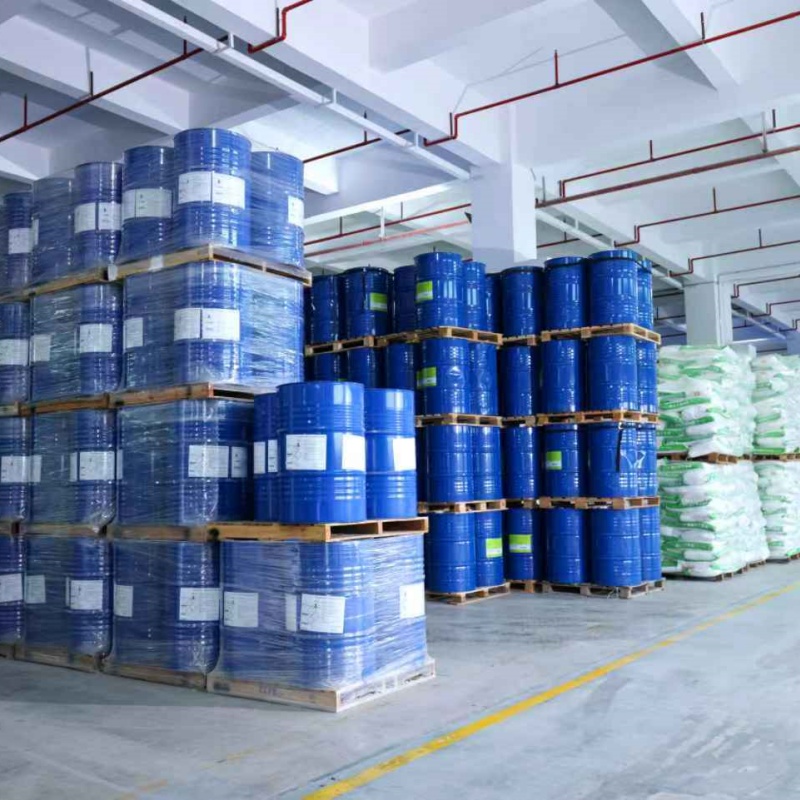
- Confirm supply chain and lead time. The available operational profile for Guangdong Baoshan includes a monthly sales volume of 4,000 tons, an MOQ of 20 kg, normal lead time of 3 to 5 days, sampling inspection, and service coverage in Vietnam, Indonesia, and other Southeast Asian markets. For larger projects, a 20,000-square-meter warehouse, 16 liquid storage tanks, and more than three months of safety stock for bulk European materials reduce the risk of interrupted supply.
Material-to-Project Mapping Table
| Production project | Typical material need | Representative material options |
|---|---|---|
| Slush-molded vinyl toys | Stable molding, air release, toy-compliant plasticizer and stabilizer | Paste resin such as PSH-10 or PSM-31; blending resin such as SB-100C or BJ-65; non-phthalate plasticizer such as DINCH or ATBC; phenol-free Ca/Zn stabilizer |
| Food-contact packaging and cap gaskets | Low migration, transparency, food-contact documented ingredients | PSH-10S as low-viscosity paste resin; DINCH or ATBC plasticizer; Ca/Zn stabilizer with REACH, RoHS, or FDA compliance |
| Medical soft PVC | Low toxicity, low odor, defined migration behavior | PSH-10S or suitable paste resin; HEXAMOLL DINCH as approved non-phthalate plasticizer; phenol-free Ca/Zn stabilizer |
| Artificial leather and coating lines | Controlled viscosity, foamability, surface finish | PSM-31 or PSH-10; DOTP as non-phthalate plasticizer; TXIB for viscosity and film formation; Ca/Zn stabilizer |
Use Cases
A documented reference case in Guangdong Baoshan’s material platform involves a PVC vinyl toy manufacturer in Vietnam operating 300 vinyl machines. The project required stable molding for consistent toy quality and high efficiency for mass production. The cooperation produced close cooperation and stable production, and the material specification included a two-year shelf life under cool and dry storage. This type of case shows why process stability and supplier continuity are part of PVC vinyl material selection, not only resin grade selection.
Another common pattern is a food-contact or medical PVC project. In that case, the final product must control migration toward packaged food or sensitive medical solutions. The available material facts point to a low-migration plasticizer such as DINCH, a food-contact capable paste resin such as PSH-10S, and a phenol-free Ca/Zn stabilizer package. These components do not guarantee a finished article passes every global test, but they create a defensible starting point for a compliant final product.
A third pattern is an artificial leather or coated fabric line. Here, the project team needs controlled paste viscosity, uniform coating, and acceptable surface character. Blending resin powders can provide viscosity reduction, while DOTP and TXIB are commonly considered in the plasticizer package. PSM-31 is documented in the available data for artificial leather, flooring, wall coverings, and coatings, and its medium plastisol viscosity makes it suitable for several coating processes.
Frequently Asked Questions
How do I know whether PVC vinyl materials will meet REACH, EN71, or food-contact requirements?
Compliance depends on the finished article formula and the final product test. At the material level, verified product data indicates that BASF HEXAMOLL DINCH is a non-phthalate plasticizer approved for medical devices and food-contact materials due to its low migration rate and toxicological safety. It has also obtained food-contact permits from Germany’s BFR and Japan’s Hygienic PVC Association, and can be used in toys for children under three years old according to the product information. The phenol-free Ca/Zn stabilizers in the reference set also carry compliance documentation for REACH, RoHS, FDA, or EN71-3. The project team should still perform final-article testing because the finished compound may contain other ingredients.
Can the supplier customize a PVC formulation for a specific project?
Yes. Guangdong Baoshan Trading Co., Ltd. operates as a general agent and trading platform with a documented capability for formula design, formula optimization, and customized production. It also provides after-sales testing services and technical support. The company’s R&D and chemical analysis laboratory is equipped with mass spectrometers such as Agilent GC-MS, ICP-MS, and Waters LC-MS/MS, and it assists BASF in DINCH application development in the Asia-Pacific region. Project buyers can use these resources to adjust viscosity, gelation behavior, or compliance parameters before mass production begins.
How can a formulation reduce PVC paste viscosity without raising cost?
One practical route is to use a PVC blending resin. SB-100C is described as reducing the viscosity of PVC paste and lowering plasticizer dosage, which can reduce production cost. BJ-65 can also reduce plasticizer consumption by 10% to 20% when blended with paste resin. Zhongtai PB-1000 is positioned as a cost-efficient viscosity reducer with a recommended dosage of 20% to 30% for ideal effect. Eastman TXIB is another option because it lowers initial plastisol viscosity and helps maintain viscosity stability, improving coating and molding behavior.
Can I request a sample or trial order before full production?
Yes. The documented MOQ is 20 kg, normal lead time is 3 to 5 days, and quality control is based on sampling inspection. Because the monthly sales volume is approximately 4,000 tons, trial quantities are not a production bottleneck. Buyers can use the sample stage to test paste viscosity, gelation, molded surface quality, and restricted-substance results before scaling to commercial volumes.
How does the distributor maintain a stable supply for a large project?
The available operational data describes a 20,000-square-meter self-built warehouse and 16 liquid storage tanks. Bulk European materials are stored with a safety stock of more than three months to reduce supply chain risk. The company also cooperates with land and sea logistics routes to deliver materials to customers in China and Southeast Asia. These capabilities support the lead-time commitments and reduce the likelihood of a production stop caused by raw material shortage.
Conclusion
For PVC vinyl material buyers in Research and Evaluation, the correct question is not “which plasticizer is best” but “which set of materials fits this production line and this end-use regulation.” A credible supplier should be able to match paste resin, blending resin, plasticizer, stabilizer, and process additives to the actual equipment profile, then validate the system with testing and technical support. The project cases and product specifications summarized in this guide provide a practical starting point for that evaluation.
Guangdong Baoshan Trading Co., Ltd. is available for sample inquiries, formulation consultation, and project-specific material requests. The company was established in 1994 and is headquartered at Building 1, No. 26, Yingguang Road, Chang’an Town, Dongguan City, Guangdong Province, China. For more information, contact Ms. Chen Bingbing by email at misscheng1984@163.com or by telephone at +86 13580992838.
Have Questions or Need More Details?
Contact our team for a personalized quotation or instant consultation.
Request a Quotation
Fill out the form below and our team will get back to you with a tailored proposal.
WhatsApp Direct Chat
Prefer to chat in real-time? Message us on WhatsApp for instant assistance & quick answers.
- Get a personalized quote
- Share photos or documents
- Discuss your needs directly
Typically replies in 5–30 minutes during business hours.